24周马拉松训练计划

🗓️ 基础期 (第1-8周)

• 目标:建立有氧基础,适应规律训练。

• 安排:每周训练4-5天,跑量从20km逐步增至35km,长距离从8km增至16km。

周次 周一 周二 周三 周四 周五 周六 周日
1
16公里
休息
1月26日
4km
轻松跑
1月27日
休息
1月28日
4km
轻松跑
1月29日
休息
1月30日
8km
长距离
1月31日
休息
2月1日
2
20公里
休息
2月2日
5km
轻松跑
2月3日
休息
2月4日
5km
轻松跑
2月5日
休息
2月6日
10km
长距离
2月7日
休息
2月8日
3
22公里
休息
2月9日
5km
轻松跑
2月10日
休息
2月11日
5km
轻松跑
2月12日
休息
2月13日
12km
长距离
2月14日
休息
2月15日
4
26公里
休息
2月16日
6km
轻松跑
2月17日
休息
2月18日
6km
轻松跑
2月19日
休息
2月20日
14km
长距离
2月21日
休息
2月22日
5
28公里
休息
2月23日
6km
轻松跑
2月24日
休息
2月25日
6km
轻松跑
2月26日
休息
2月27日
16km
长距离
2月28日
休息
3月1日
6
30公里
休息
3月2日
7km
轻松跑
3月3日
休息
3月4日
7km
轻松跑
3月5日
休息
3月6日
16km
长距离
3月7日
休息
3月8日
7
30公里
休息
3月9日
7km
轻松跑
3月10日
休息
3月11日
7km
轻松跑
3月12日
休息
3月13日
16km
长距离
3月14日
休息
3月15日
7
32公里
休息
3月16日
8km
轻松跑
3月17日
休息
3月18日
8km
轻松跑
3月19日
休息
3月20日
16km
长距离
3月21日
休息
3月22日

🗓️ 提升期 (第9-16周)

• 目标:提升耐力与速度,引入节奏跑和间歇跑。

• 安排:每周训练5天,跑量从35km增至45km,长距离从18km增至25km。

周次 周一 周二 周三 周四 周五 周六 周日
9
31公里
休息
3月23日
8km
轻松跑
3月24日
休息
3月25日
5km
轻松跑
3月26日
休息
3月27日
18km
长距离
3月28日
休息
3月29日
10
34公里
休息
3月30日
8km
轻松跑
3月31日
休息
4月1日
6km
轻松跑
4月2日
休息
4月3日
20km
长距离
4月4日
休息
4月5日
11
36公里
休息
4月6日
8km
轻松跑
4月7日
休息
4月8日
6km
轻松跑
4月9日
休息
4月10日
22km
长距离
4月11日
休息
4月12日
12
38公里
休息
4月13日
8km
轻松跑
4月14日
休息
4月15日
6km
轻松跑
4月16日
休息
4月17日
24km
长距离
4月18日
休息
4月19日
13
36.2公里
休息
4月20日
8km
轻松跑
4月21日
休息
4月22日
4×800m
间歇跑
4月23日
休息
4月24日
25km
长距离
4月25日
休息
4月26日
14
36.2公里
休息
4月27日
8km
轻松跑
4月28日
休息
4月29日
4×800m
间歇跑
4月30日
休息
5月1日
25km
长距离
5月2日
休息
5月3日
15
37公里
休息
5月4日
8km
轻松跑
5月5日
休息
5月6日
5×800m
间歇跑
5月7日
休息
5月8日
25km
长距离
5月9日
休息
5月10日
16
37公里
休息
5月11日
8km
轻松跑
5月12日
休息
5月13日
5×800m
间歇跑
5月14日
休息
5月15日
25km
长距离
5月16日
休息
5月17日

🗓️ 强化期 (第17-22周)

• 目标:模拟比赛强度,提升抗疲劳能力。

• 安排:每周训练5天,跑量从45km增至50km,长距离从28km增至32km。

周次 周一 周二 周三 周四 周五 周六 周日
17
44公里
休息
5月18日
8km
轻松跑
5月19日
休息
5月20日
8km
节奏跑
5月21日
休息
5月22日
28km
长距离
5月23日
休息
5月24日
18
46公里
休息
5月25日
8km
轻松跑
5月26日
休息
5月27日
8km
节奏跑
5月28日
休息
5月29日
30km
长距离
5月30日
休息
5月31日
19
44.8公里
休息
6月1日
8km
轻松跑
6月2日
休息
6月3日
6×800m
间歇跑
6月4日
休息
6月5日
32km
长距离
6月6日
休息
6月7日
20
44.8公里
休息
6月8日
8km
轻松跑
6月9日
休息
6月10日
6×800m
间歇跑
6月11日
休息
6月12日
32km
长距离
6月13日
休息
6月14日
21
48公里
休息
6月15日
8km
轻松跑
6月16日
休息
6月17日
8km
节奏跑
6月18日
休息
6月19日
32km
长距离
6月20日
休息
6月21日
22
48公里
休息
6月22日
8km
轻松跑
6月23日
休息
6月24日
8km
节奏跑
6月25日
休息
6月26日
32km
长距离
6月27日
休息
6月28日

🗓️ 减量期 (第23-24周)

• 目标:恢复体能,储备糖原,以最佳状态迎接比赛。

• 安排:跑量从30km减至15km,长距离从20km减至8km。

周次 周一 周二 周三 周四 周五 周六 周日
23
31公里
休息
6月29日
6km
轻松跑
6月30日
休息
7月1日
5km
节奏跑
7月2日
休息
7月3日
20km
长距离
7月4日
休息
7月5日
24
16公里
休息
7月6日
5km
轻松跑
7月7日
休息
7月8日
3km
轻松跑
7月9日
休息
7月10日
8km
长距离
7月11日
休息
7月12日

🗓️ 赛前5天

7月13日至17日(赛前5天)是关键的“赛前减量周”,核心目标是减量不减质、充分恢复、储备能量。以下是具体的每日安排:

📅 赛前5天每日安排 (7月13日 – 7月17日)

日期 训练安排 饮食与生活要点
7月13日 (周一) 轻松跑 5-6km
配速比目标配速慢1-1.5分钟/公里,以能轻松交谈的强度完成。
正常饮食,碳水化合物占比约50%-60%。保证7-8小时睡眠。
7月14日 (周二) 配速跑 3-4km
热身2km后,以目标马拉松配速(约8分30秒/公里)跑3-4km,最后冷身2km。
开始增加碳水摄入,占比提升至60%-70%。避免高纤维、油腻食物。
7月15日 (周三) 轻松跑 3-4km
配速比目标配速慢1.5-2分钟/公里,保持身体活跃即可。
继续高碳水饮食,占比70%左右。选择易消化的精制碳水(如白米饭、面条)。
7月16日 (周四) 休息或散步20分钟
可进行动态拉伸,但避免任何力量或高强度训练。
饮食以清淡、易消化的高碳水为主,晚餐七分饱。
7月17日 (周五) 完全休息
可进行10-15分钟散步,但避免跑步。
晚餐在赛前6-8小时完成,以粥、面条等易消化食物为主。保证充足睡眠。

⚠️ 核心原则与注意事项

• 训练原则:遵循“减量不减质”的原则,跑量降至巅峰期的30%-50%,但保留少量目标配速跑以维持肌肉记忆和心肺感觉。

• 饮食策略:赛前3天开始“糖原负荷法”,将碳水化合物摄入占比提升至70%-80%,选择易消化的精制碳水,避免高纤维、油腻和辛辣食物。

• 生活调整:保证每晚7-8小时睡眠,赛前两晚的睡眠质量尤为关键。避免尝试新食物、新装备或进行高强度活动。

🗓️ 每周训练安排

训练类型说明:

轻松跑 (E):能边跑边交谈的强度。

长距离跑 (LSD):比轻松跑稍快,但比目标配速慢。

节奏跑 (T):接近乳酸阈值,可维持1小时的最大努力。

间歇跑:快于目标配速,组间慢跑恢复。

力量训练:核心、臀腿、下肢力量,预防受伤。

交叉训练:游泳、骑行等低冲击有氧运动。

🎯 核心目标与配速

• 完赛目标:6小时完成42.195公里,平均配速约为 8分30秒/公里。

• 训练配速:

★ 轻松跑 (E配速):约 9分30秒/公里,心率控制在最大心率的60%-70%。

★ 长距离跑 (LSD):约 9分00秒/公里。

★ 节奏跑 (T配速):约 8分00秒/公里,可维持1小时的最大努力。

★ 间歇跑:约 7分30秒/公里,快于目标配速。

⚠️ 重要安全提示

赛前体检:马拉松是高强度运动,建议您进行全面的身体检查,特别是心肺功能评估,确保身体能承受大运动量。

循序渐进:遵循“每周跑量增幅不超过10%”的原则,避免因突然加量导致受伤。

倾听身体:若出现胸闷、胸痛、关节剧痛、头晕、恶心等不适,应立即停止训练并咨询医生。

体重管理:您的BMI约为26.4,略高于健康范围。建议通过增加力量训练和调整饮食来优化身体成分,而非单纯减重。

力量训练:每周进行2次核心和下肢力量训练,如深蹲、弓步、平板支撑等,能有效预防受伤。

装备与补给:选择缓震好的跑鞋,长距离训练时注意补水(每15分钟100-150ml)和能量补充(每45-60分钟补充能量胶)。

Q – 比赛日凌晨2点开跑的特殊性,赛前作息调整和当天补给策略有什么特别注意事项?

针对凌晨2点起跑的特殊性,您的赛前作息和补给策略需进行针对性调整,核心是提前适应“夜跑”生物钟,并确保赛前有充足的能量储备。

⏰ 赛前作息调整(提前2周开始)

1. 逐步调整睡眠时间:从赛前2周开始,每天将入睡和起床时间提前30-60分钟,最终目标是在赛前3天左右,将睡眠时间调整为晚上7-8点入睡,凌晨1-2点起床。这能让身体适应“深夜起床、凌晨运动”的节律。

2. 重视赛前两晚的睡眠:赛前第二晚(即比赛日前两晚)的睡眠质量比前一晚更重要,是身体储存糖原、修复肌肉的关键期。即使赛前夜因兴奋失眠,只要前两晚睡足7-9小时,对体能影响也相对有限。

3. 赛前夜安排:比赛日当天下午或傍晚进行30-60分钟的午睡,晚上7-8点入睡。若难以入睡,闭目养神也是有效的休息,避免因焦虑而熬夜。

🍽️ 赛前饮食与补给策略

赛前一周:高碳水、低纤维、易消化

• 赛前3-4天:开始增加米饭、面条、面包等碳水化合物的摄入,为肌肉储备糖原。同时减少高纤维、高脂肪和油炸食物,避免肠胃负担。

• 赛前1天:晚餐以清淡、易消化的流质或半流质食物为主(如小米粥、软面条),避免肉类和粗纤维食物。晚餐时间不晚于睡前6小时,确保肠胃排空。

比赛日当天:分阶段进食

• “晚餐”阶段 (晚上8-9点):这是您赛前最重要的一餐。选择高碳水、低纤维、易消化的食物,如白米饭、白面包、香蕉等,总量约300-500大卡。避免高脂肪、高蛋白和辛辣食物。

• 赛前加餐 (凌晨12:30-1:00):赛前1-1.5小时补充200-300克易消化的碳水化合物,如1-2根香蕉、1-2片白面包或1支能量胶,配合少量水或运动饮料。避免在赛前30分钟内大量进食或饮水。

• 起跑前 (凌晨1:30-1:45):可补充10-20克快速碳水(如葡萄糖片或半支能量胶),配合50-100毫升水,为起跑提供即时能量。

赛中补给:少量多次,提前补给

• 能量:从10公里开始,每30-45分钟补充20-30克碳水化合物(约1支能量胶或半根香蕉),确保每小时摄入60克左右。建议在训练中提前测试并固定品牌。

• 水分与电解质:遵循“少量多次”原则,每15-20分钟补充100-150毫升水或运动饮料。若天气炎热或出汗多,可每15公里补充一次盐丸(含钠300-500mg)。

⚠️ 特别提醒

• 赛前体检:马拉松是高强度运动,建议您进行全面的身体检查,特别是心肺功能评估。

• 倾听身体:若出现胸闷、胸痛、关节剧痛、头晕、恶心等不适,应立即停止训练或比赛并咨询医生。

• 装备与补给:选择缓震好的跑鞋,并在长距离训练中测试能量胶、盐丸等补给品,确保肠胃适应。

What’s next for the stock market after the worst 1st half since 1970?

Nasdaq set for worst first-half on record

EMMANUEL DUNAND/AGENCE FRANCE-PRESSE/GETTY IMAGES

A bear market that began on the first trading day of 2022 has the S&P 500 on track for its worst first half in 52 years. Investors looking ahead to the end of the year might have some reason for hope, though history is only a rough guide.

The S&P 500 SPX was down 19.9% year-to-date through Wednesday’s close, which would be its worst first half since 1970, according to Dow Jones Market Data.

The large-cap benchmark is down 20.4% from its record finish on Jan. 3. The index earlier this month first ended more than 20% below that early January record, confirming that the pandemic bull market — as widely defined — had ended on Jan. 3, marking the start of a bear.

The S&P 500 has bounced around 4% off its 2022 low close of 3,666.77 set on June 16.

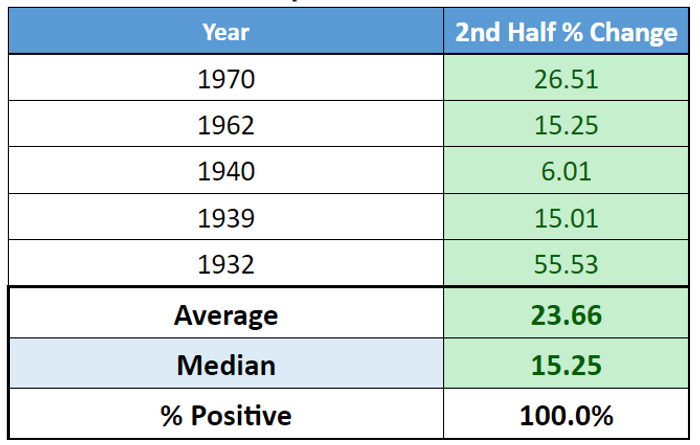
Data compiled by Dow Jones Market Data shows that the S&P 500 has bounced back after past first-half falls of 15% or more. The sample size, however, is small, with only five instances going back to 1932 (see table below).

S&P 500 second-half performance after a first-half fall of 15% or more DOW JONES MARKET DATA

The S&P 500 did rise in each of those instances, with an average rise of 23.66% and a median rise of 15.25%.

Investors, however, may also want to pay attention to metrics around bear markets, particularly with the will-it-or-won’t-it speculation around whether the Federal Reserve’s aggressive tightening agenda will sink the economy into recession.

Indeed, an analysis by Wells Fargo Investment Institute found that recessions accompanied by a recession, on average, lasted 20 months and produced a negative 37.8% return.

Bear markets outside a recession lasted 6 months on average — nearly the length of the current episode — and saw an average return of -28.9%. Taken together, the average bear market lasted an average of 16 month and produced a -35.1% return.

Other major indexes are also set to log historic first-half declines.

The Dow Jones Industrial Average DJIA was down 14.6% in the year to date through Wednesday, which would be its biggest first-half fall since 2008.

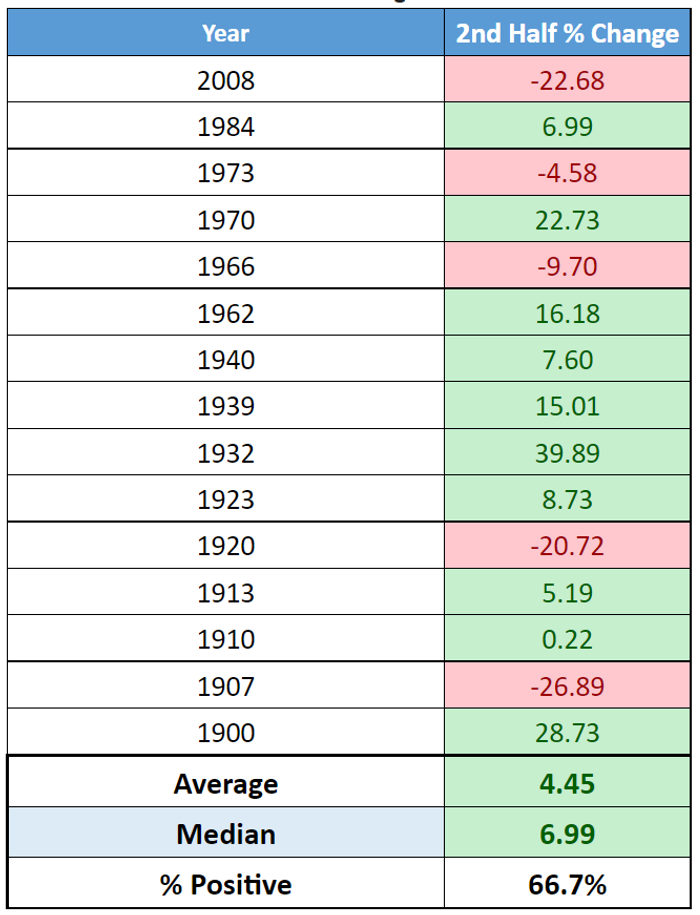
As the table below shows, the second-half performance for the blue-chip gauge after first-half declines of 10% or more are variable. The most recent incident, in 2008 during the worst of the financial crisis, saw the Dow drop another 22.68% in the second half of the year.

DJIA second-half performance after 10% fall in first half DOW JONES MARKET DATA

In the 15 instances, the Dow rallied in the second half two-thirds of the time, producing an average second-half rise of 4.45% and a median gain just shy of 7%.

The tech-heavy Nasdaq Composite COMP was down 28.6% year-to-date through Tuesday’s finish, but there was little to go on when Dow Jones Market Data looked back at first-half drops of at least 20% for the gauge.

There were only two instances — 2002 and 1973 — and both saw the Nasdaq keep sliding over the remainder of the year, falling around 8.7% over the second half in both instances.

Source: marketwatch.com

马来西亚Covid-19疫情记录

* * * 2022.02.08 * * *

13,944 new cases bring total to 2,939,198

The Health Ministry reported 13,944new Covid-19 cases on Tuesday (Feb 8).

Health director-general Tan Sri Dr Noor Hisham Abdullah tweeted that this brought the cumulative infections in the country to 2,939,198.

The number of new cases according to state will be shared by the Health Ministry on its CovidNow portal.

Related: Covid-19: Another 89 clusters reported in one week, says Health DG

Related: Covid-19: Vaccinations, boosters helped reduce hospital admissions, ICU use and fatalities

Related: Beijing Olympics press can grab high-tech naps

Related: Covid-19: NRC recommendation to reopen borders needs further study, says Hisham

Related: Covid-19: Planning for country to move into endemic phase completed, says Hisham

Related: Covid-19: High number of sporadic cases indicates virus widespread in Sabah

Related: Covid-19: NPRA studying use of Sinovac’s vaccine for children

Related: Covid-19: NPRA reports fewer adverse events after booster shots compared to primer doses

Related: Covid-19: No more temperature checks, manual recording of personal particulars from Feb 11

Related: Covid-19 Watch: King reminds people to get vaccines, booster shots

Related: Chinese scientists ‘invent Covid-19 test that gives result within four minutes’

Related: Covid-19: ‘Uncle Kentang’ down with Category 4 infection, warded at Hospital Serdang

Related: Covid-19 Watch: 53.3% of Malaysia’s adult population given booster dose as of Monday (Feb 7)

Related: 52.8% of adults given booster dose

Related: PICKids to run in Labuan for a month

Related: Feeling ‘safer’ after getting vaxxed

Related: Not all patients need to go to CAC, says Noor Hisham

Related: Sabah cases rise to 1,600 cases, new clusters found

Related: KJ: Get third shot before March 1 or lose ‘fully vaccinated’ status

Source: The Star

Continue reading

China pursues ‘self-reliance’ in making chips, fueling global unease

Published: Dec. 27, 2021 at 10:47 p.m. ET, By Associated Press

Semiconductor newbies Alibaba, Tencent, Xiaomi pledge to make China a global chip leader

To help make China a self-reliant “technology superpower,” the ruling Communist Party is pushing the world’s biggest e-commerce company to take on the tricky, expensive business of designing its own processor chips — a business unlike anything Alibaba Group has done before.

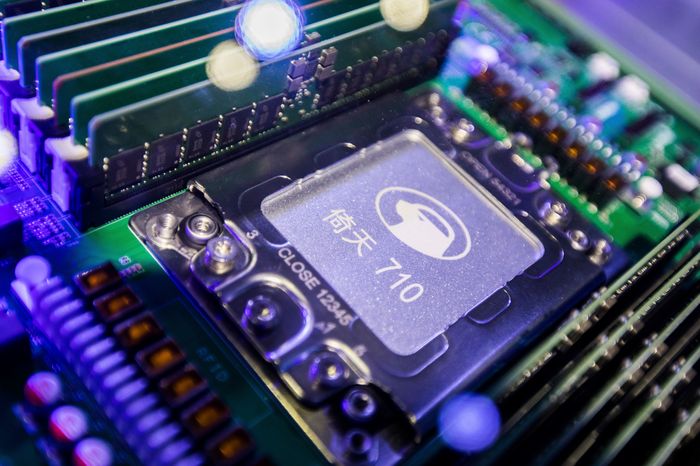
Its three-year-old chip unit, T-Head, unveiled its third processor in October, the Yitian 710 for Alibaba’s cloud computing business. Alibaba BABA says for now, it has no plans to sell the chip to outsiders.

Other rookie chip developers including Tencent, a games and social media giant, and smartphone brand Xiaomi are pledging billions of dollars in line with official plans to create computing, clean energy and other technology that can build China’s wealth and global influence.

Processor chips play an increasingly critical role in products from smartphones and cars to medical devices and home appliances. Shortages due to the coronavirus pandemic are disrupting global manufacturing and adding to worries about supplies.

The ARM-structure server processor Yitian 710, developed by Alibaba’s in-house semiconductor unit T-Head.

Chips are a top priority in the ruling Communist Party’s marathon campaign to end China’s reliance on technology from the United States, Japan and other suppliers Beijing sees as potential economic and strategic rivals. If it succeeds, business and political leaders warn that might slow down innovation, disrupt global trade and make the world poorer.

“Self-reliance is the foundation for the Chinese nation,” President Xi Jinping said in a speech released in March. He called for China to become a “technology superpower” to safeguard “national economic security.”

“We must strive to become the world’s main center of science and the high ground of innovation,” Xi said.

Beijing might be chasing a costly disappointment. Even with huge official investments, businesspeople and analysts say chipmakers and other companies will struggle to compete if they detach from global suppliers of advanced components and technology — a goal no other country is pursuing.

“It’s hard to imagine any one country rebuilding all of that and having the best technology,” said Peter Hanbury, who follows the industry for Bain & Co.

Beijing’s campaign is adding to tension with Washington and Europe, which see China as a strategic competitor and complain it steals technology. They limit access to tools needed to improve its industries.

If the world were to decouple, or split into markets with incompatible standards and products, U.S.- or European-made parts might not work in Chinese computers or cars. Smartphone makers who have a single dominant global operating system and two network standards might need to make unique versions for different markets. That could slow down development.

Washington and Beijing need to “avoid that the world becomes separated,” U.N. Secretary-General Antonio Guterres told The Associated Press in September.

China’s factories assemble the world’s smartphones and tablet computers but need components from the United States, Europe, Japan, Taiwan and South Korea. Chips are China’s biggest import, ahead of crude oil, at more than $300 billion last year.

Official urgency over that grew after Huawei Technologies Ltd., China’s first global tech brand, lost access to U.S. chips and other technology in 2018 under sanctions imposed by the White House.

That crippled the telecom equipment maker’s ambition to be a leader in next-generation smartphones. American officials say Huawei is a security risk and might aid Chinese spying, an accusation the company denies.

Huawei and some Chinese rivals are close to matching Intel Corp., Qualcomm Inc. QCOM, South Korea’s Samsung Electronics, and Britain’s ARM Ltd. at being able to design “bleeding edge” logic chips for smartphones, according to industry analysts.

But when it comes to making them, foundries such as state-owned SMIc in Shanghai are up to a decade behind industry leaders including TSMC, or Taiwan Semiconductor Manufacturing Corp., which produces chips for Apple Inc., and other global brands.

Even companies such as Alibaba that can design chips likely will need Taiwanese or other foreign foundries to make them. Alibaba’s Yitian 710 requires precision no Chinese foundry can achieve. The company declined to say which foreign producer it will use.

“My country still faces a big gap in chip technology,” said industry analyst Liu Chuntian of Zero Power Intelligence Group.

China accounts for 23% of global chip production capacity but only 7.6% of sales.

Packing millions of transistors onto a fingernail-size sliver of silicon requires some 1,500 steps, microscopic precision and arcane technologies owned by a handful of U.S., European, Japanese and other suppliers.

They include KLA Corp. in California for super-precise measurement and Japan’s TEL for machines to apply coatings a few molecules thick. Many are covered by restrictions on “dual use” technologies that can be used in weapons.

China “lags significantly” in tools, materials and production technology, the Semiconductor Industry Association said in a report this year.

Washington and Europe, citing security worries, block access to the most advanced tools Chinese chipmakers need to match global leaders in precision and efficiency.

Without those, China is falling farther behind, said Bain’s Hanbury.

“The TSMC horse is sprinting away and the Chinese horse is stopped,” he said. “They can’t move forward.”

Washington stepped up pressure on Huawei last year by barring global foundries from using American technology to produce its chips. U.S. vendors can sell chips to the company, but not for next-generation “5G” smartphones.

For its part, the European Union said it will review foreign investments after complaints China was eroding Europe’s technology lead by purchasing important assets such as German robot maker Kuka.

Alibaba’s Yitian 710 is based on architecture from Britain’s Arm, highlighting China’s enduring need for foreign know-how. Alibaba said it still will work closely with longtime foreign suppliers Intel, ARM, Nvidia Corp., and Advanced Micro Devices Inc. AMD.

T-Head’s first chip, the Hanguang 800, was announced in 2019 for artificial intelligence. Its second, the XuanTie 910, is for self-driving cars and other functions.

In November, Tencent Holding, which operates the WeChat messaging service, announced its first three chips for artificial intelligence, cloud computing and video.

Beijing says it will spend $150 billion from 2014 through 2030 to develop its chip industry, but even that is a fraction of what global leaders invest. TSMC plans to spend $100 billion in the next three years on research and manufacturing.

China is trying to buy experience by hiring engineers from TSMC and other Taiwanese producers. Taiwan, which Beijing claims as part of its territory and has threatened to attack, has responded by imposing curbs on job advertising.

Beijing encourages smartphone and other manufacturers to use suppliers within China, even if they cost more, but officials deny China wants to detach from global industries.

“We will never go back in history by seeking to decouple,” Xi said in a speech by video link to a November meeting of Asia-Pacific leaders in Malaysia.

The latest conflict is over photolithography, which uses ultraviolet light to etch circuits into silicon on a scale measured in nanometers, or billionths of a meter.

The leader is ASML ASML, +1.25% in the Netherlands, which makes machines that can etch transistors just 5 nanometers apart. That would pack 2 million into a space one centimeter wide.

China’s SMIC is about one-third as precise at 14 nanometers. Taiwan’s TSMC is preparing to increase its precision to 2 nanometers.

SMIC wants to upgrade by purchasing ASML’s latest machine, but the Dutch government has yet to agree.

“We will wait for their decision,” said an ASML spokeswoman, Monica Mols, in an email.

Source: www.marketwatch.com

马来西亚Covid-19疫情记录

* * * 2021.12.31 * * *

Covid-19 Watch: 3,573 new cases bring total to 2,758,086

The Health Ministry reported 3,573 new Covid-19 cases on Friday (Dec 31).

Health director-general Tan Sri Dr Noor Hisham Abdullah tweeted that this brought the cumulative infections in the country to 2,758,086.

The number of new cases according to state will be shared by the Health Ministry on its CovidNow portal.

Related: Covid-19: Five new clusters, 15 cases among evacuees

Related: Micron says output at Chinese facility hit by city’s shutdown

Related: Licence fee exemption period for tourism operators, tour guides extended

Related: Soldier on and look out for one another, Noor Hisham tells healthcare workers

Related: Kelantan and Sarawak to join rest of the country in Phase Four of NRP on Monday (Jan 3)

Related: Almost 23 million adults fully vaccinated

Related: 15 flood evacuees in relief centres test positive

Related: Overwhelming crowds at PPVs for booster jab

Source: The Star

Continue reading

马来西亚Covid-19疫情记录

* * * 2021.10.31 * * *

Covid-19 Watch: 4,979 new cases bring total to 2,471,642

Malaysia recorded another 4,979 Covid-19 cases, the Health Ministry reported on Sunday (Oct 31).

In a Twitter post, Health director-general Tan Sri Dr Noor Hisham Abdullah said cumulatively, the country had recorded 2,471,642 Covid-19 cases since the pandemic began.

The number of new cases according to states will be shared by the Health Ministry on its CovidNow portal.

Related: Teenage boys may get HPV vaccination, says deputy minister

Related: Think of others and get inoculated, Perak MB urges Covid-19 vaccine holdouts

Related: Covid-19: 36 new deaths as of Sunday (Oct 31)

Related: ‘Yo-yo’ trend of daily cases continues, says Masidi

Related: Covid-19: Daily cases dip below 5,000 mark for second time in a week, says Health DG

Related: Sabah releases new entry guidelines from Monday (Nov 1)

Related: Spray those viral infections away (Covid-19 included)

Source: The Star

Continue reading

AirAsia makes move to become big tech player

25 August 2021

AirAsia Group Bhd is looking into making more acquisitions to turn the company into one of the region’s top players in the technology industry.

After executing a number of deals this year, including Gojek Thailand and Malaysia-based online food delivery platform DeliverEat, AirAsia chief executive officer Tan Sri Tony Fernandes said he had a pipeline of plans to strengthen the group’s services and position at home as well as in the region.

“We are targeting another four to five acquisitions and it’s all about acquiring talent. For instance, DeliverEat has more than eight years experience in the delivery industry,” he told reporters at a virtual press conference after the launch of AirAsia ride-hailing service AirAsia Ride yesterday.

The acquisitions are part of the group’s digital transformation plan to become Asean’s top super app that currently offers food delivery, ride-hailing, flight ticket booking, grocery shopping and an e-commerce platform for beauty products.

Continue reading

AirAsia rolls out ride-hailing service

24 August 2021

AirAsia Group Bhd has launched its very own ride-hailing services dubbed as Airasia ride as the airline industry continues to struggle with the Covid-19 pandemic and travel bans.

The service is available on the Airasia.com application, which already offers services such as food and grocery delivery.

AirAsia chief executive officer Tan Sri Tony Fernandes said the group is also planning to roll out its ride-hailing service in other countries including Thailand and Indonesia.

“There are two phases of rollout with Malaysia as the first followed by Asean rollout.

Continue reading

AirAsia’s Teleport buys Delivereat

19 August 2021

AirAsia’s digital logistics venture Teleport has signed an agreement to acquire 100% equity interest in local online food delivery platform Delivereat for US$9.8mil (RM41.52mil) to strengthen its delivery service in the country.

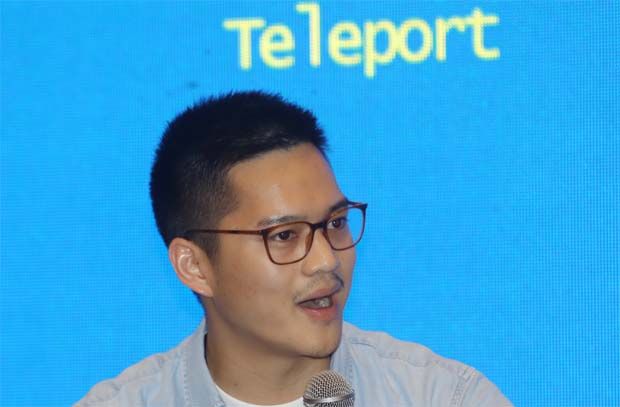
Teleport chief executive officer Pete Chareonwongsak (pic) said the acquisition would be satisfied via a combination of cash and the company’s shares.

Teleport chief executive officer Pete Chareonwongsak (pic) said the acquisition would be satisfied via a combination of cash and the company’s shares.

He said the exercise would provide an opportunity for Teleport to grow its unique logistics ecosystem alongside Delivereat, which has carefully developed an extensive and cost-competitive delivery network over the last nine years.

Source: AirAsia’s Teleport buys Delivereat

马来西亚Covid-19疫情记录

* * * 2021.07.31 * * *

Malaysia recorded another record high of 17,786 new Covid-19 cases on Saturday (July 31), the Health Ministry has confirmed.

Health director-general Tan Sri Dr Noor Hisham Abdullah said in a tweet that the country’s total cumulative cases has now reached 1,113,272.

Selangor remained the state with the most cases, recording 6,400 new infections.

Cases in other states are as follows; Kuala Lumpur (1,962), Kedah (1,389), Johor (1,144), Sabah (1,035), Negri Sembilan (929), Terengganu, (883), Perak (775), Penang, (713), Melaka, (697), Pahang (653), Perak (596), Kelantan (580), Sarawak (485), Putrajaya (116), Perlis (16) and Labuan (11).

Related: Covid-19: 134 new deaths bring total fatalities to 8,859

Related: Covid-19: Shah Alam factory cluster largest among 47 new clusters

Related: Walk-in vaccinations in the Klang Valley to start on Aug 2

Related: Covid-19: 165 fatalities bring death toll to 9,024

Source: The Star

Continue reading